Chamber Programs

Flexible chamber programs for festival, recital,
and touring contexts.
Julien Labro collaborates with world-class musicians and ensembles in chamber programs ranging from intimate duos to quintets, combining classical rigor and contemporary repertoire.
Julien Labro & Takács Quartet
A chamber collaboration for string quartet and bandoneon

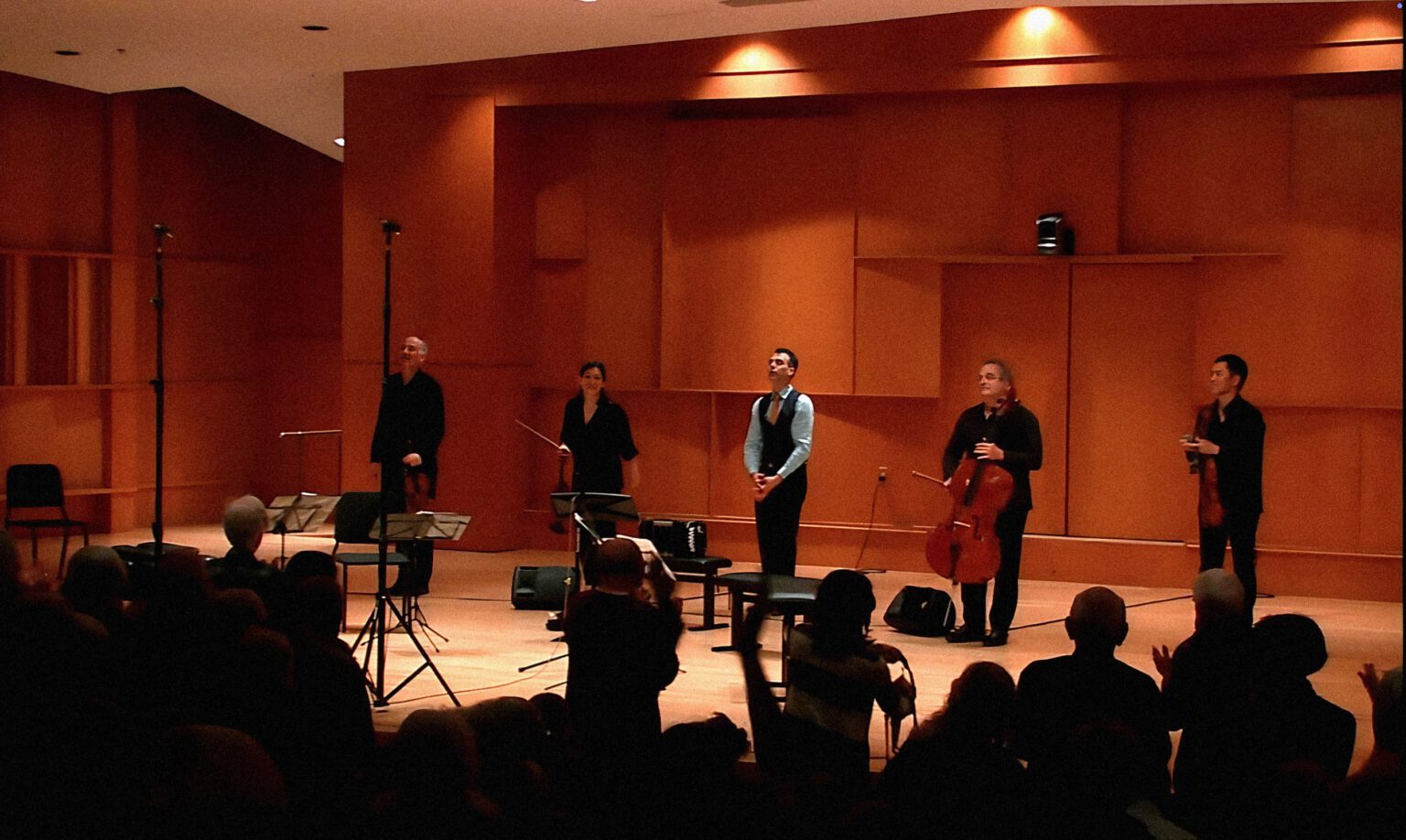
A bold and deeply collaborative venture, Julien Labro’s work with the Takács Quartet brings the bandoneón into luminous conversation with one of the world’s most celebrated chamber ensembles. Their partnership, developed through the Music Accord consortium, includes two major commissioned works: Bryce Dessner’s Circles, written during the pandemic as a meditation on reconnection and musical dialogue, and Clarice Assad’s Clash, an emotionally charged exploration of rhythm, speech, and human behavior. Labro adds his own voice with Meditation No. 1, a work shaped by early-morning stillness during the shutdown, reflecting moments of solitude, clarity, and renewal.

Framed alongside music by Dino Saluzzi, J.S. Bach (in Labro’s arrangement), and Labro’s Piazzolla-inspired Astoración, and anchored by the Takács Quartet’s performance of Ravel’s String Quartet in F Major, the program expands the expressive possibilities of the string quartet and bandoneón. This collaboration is documented on a critically acclaimed recording and earned Labro a Latin Grammy nomination. Looking ahead, Labro and the Takács Quartet continue to develop new programs—expanding the Meditations series and exploring repertoire that brings together Bartók, Piazzolla, and additional cross-genre works.

Julien Labro & Jason Vieaux
Duo program for guitar and bandoneon

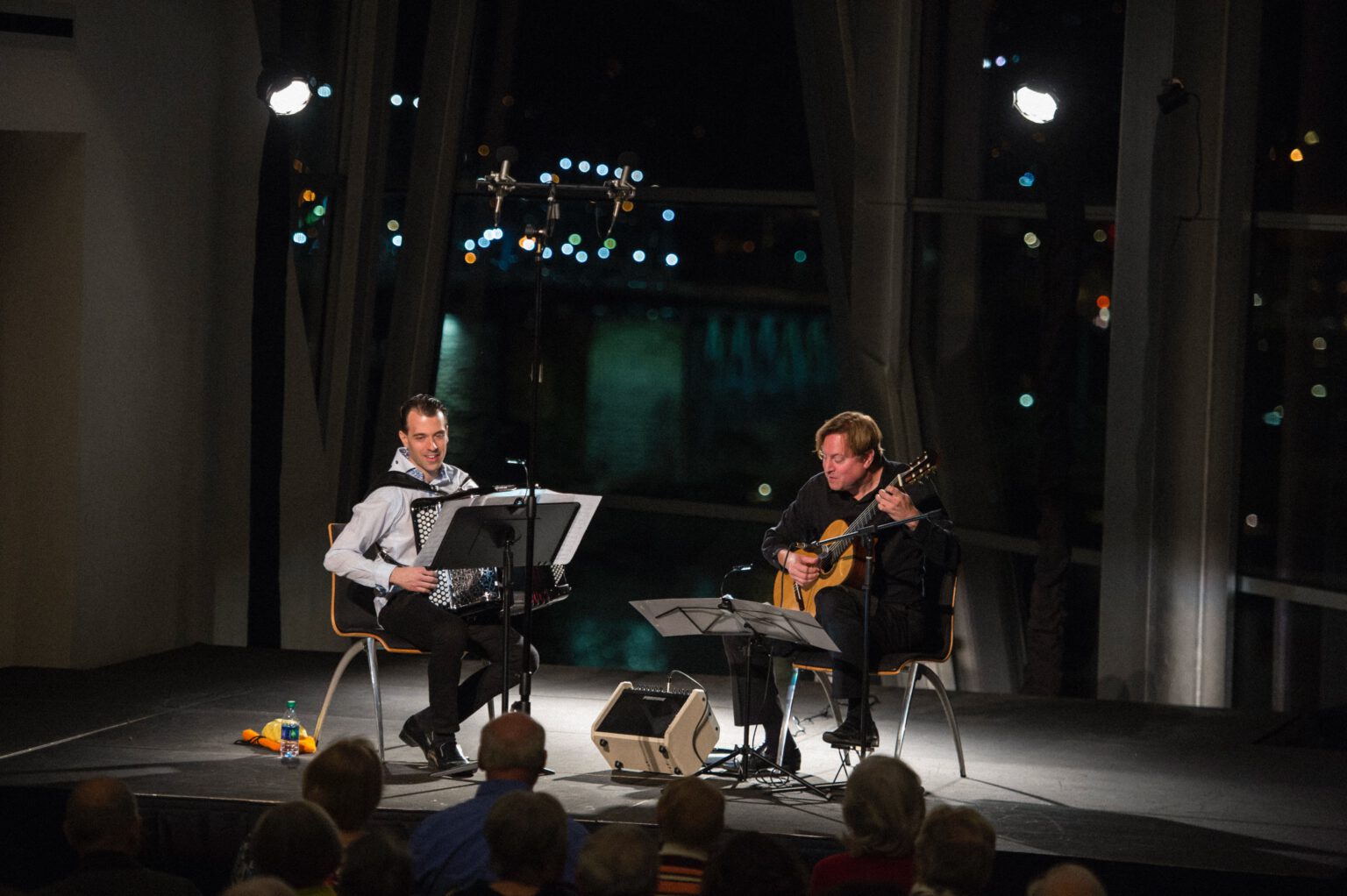
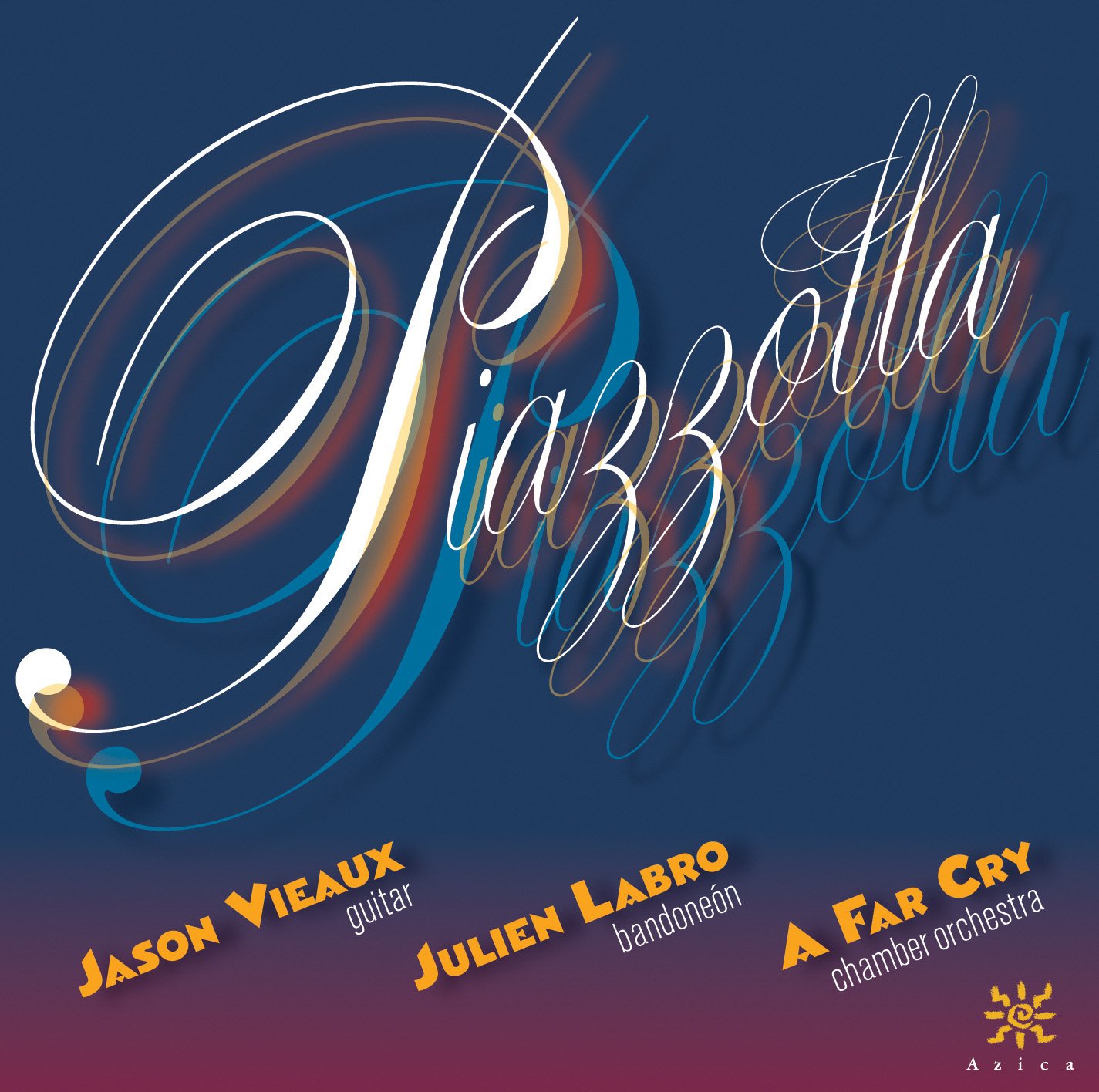
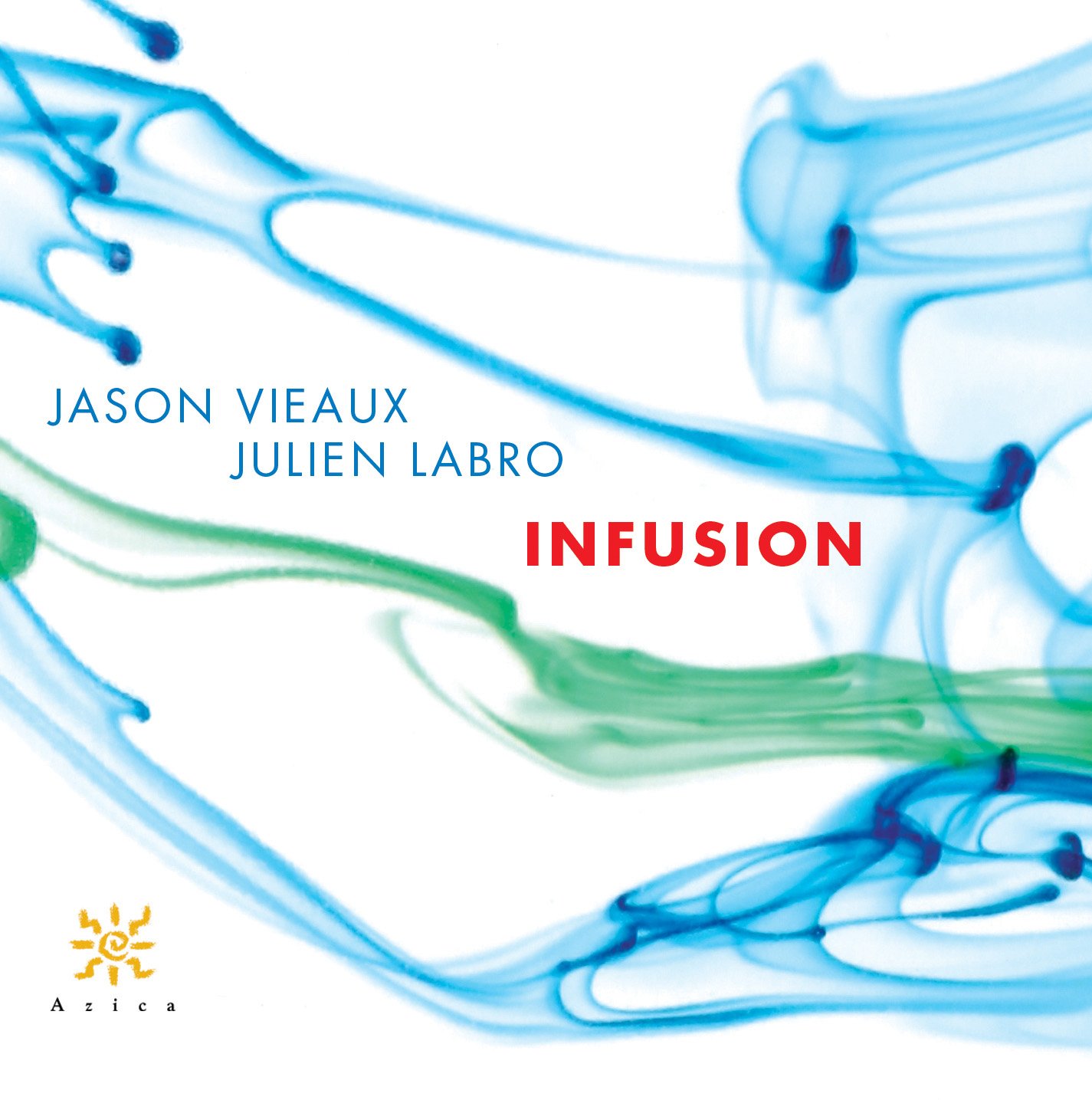
A dynamic collaboration blending classical rigor with the pulse of tango and contemporary Latin influences, the Vieaux–Labro Duo brings together Grammy-winning guitarist Jason Vieaux and internationally acclaimed bandoneonist and accordionist Julien Labro. Since first meeting in 2007, the pair have toured widely across North America, captivating audiences with original arrangements and repertoire rooted in the music of Astor Piazzolla, alongside works by Gnattali, Brouwer, Metheny, Arvo Pärt, and others, featured on their albums Piazzolla and Infusion.

Beyond the recital stage, the duo has appeared with leading orchestras including Orchestra of St. Luke’s and A Far Cry, performing Piazzolla’s Double Concerto, Labro’s orchestral arrangement of The Four Seasons of Buenos Aires, and premiering Labro’s own double concerto Canvas, commissioned by the New West Symphony. Drawing inspiration from the dance halls of Buenos Aires to the rhythms of Brazil—with thoughtful detours to Europe—the Vieaux–Labro Duo offers presenters a vibrant, audience-friendly program that bridges genres with clarity, depth, and expressive range.

The Chamber Collective
Modular chamber ensemble with adaptable instrumentation

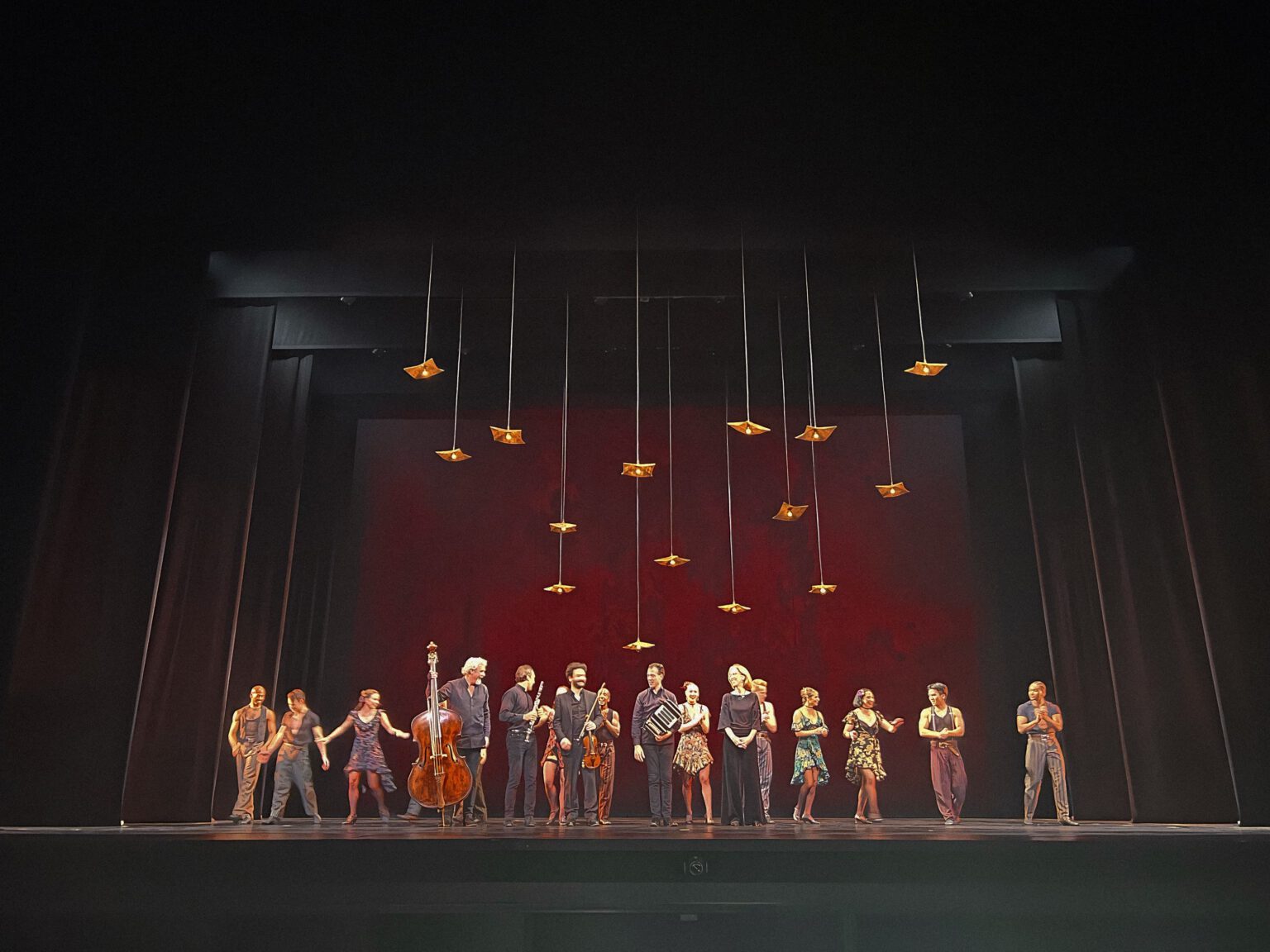
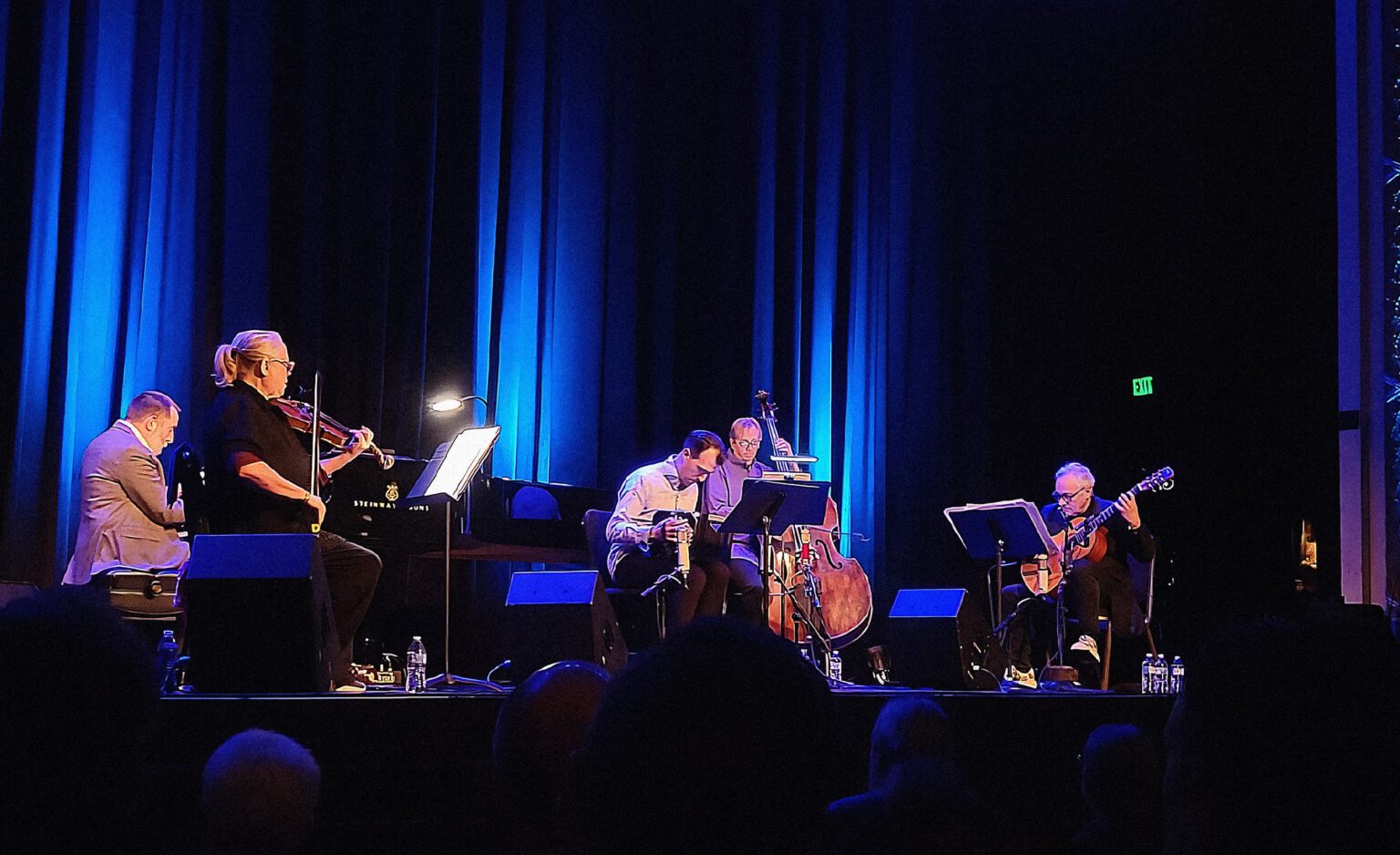
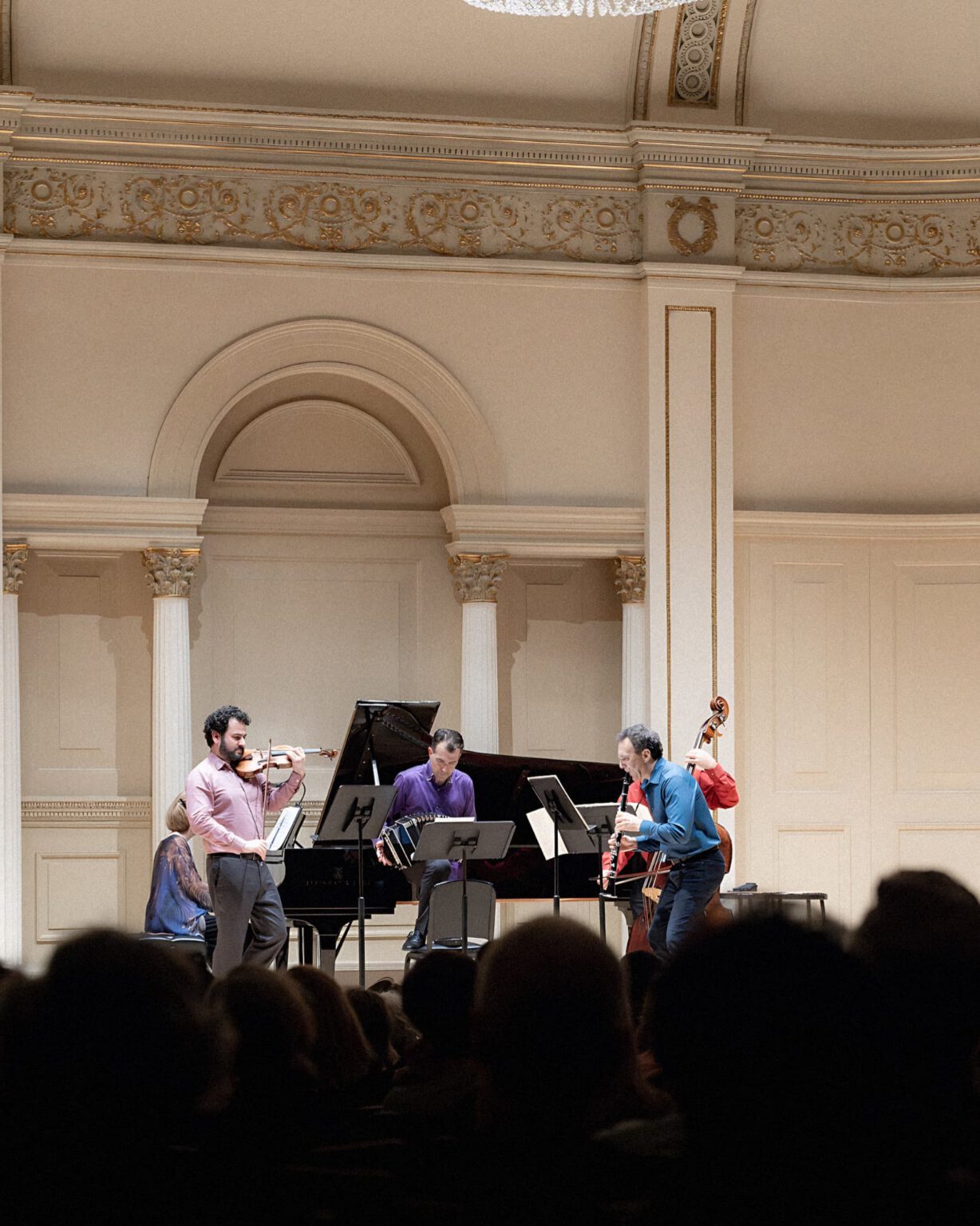
At the heart of the Chamber Collective is Labro’s expanding body of original works and reimagined repertoire, developed within a flexible chamber ensemble framework. Designed to adapt to different settings and artistic goals, the Collective appears in a range of configurations—from recital duos and string quartet–based programs to mixed ensembles featuring piano, violin, clarinet, bass, and bandoneon—allowing each project to be shaped in dialogue with presenters and performance context.

Alongside Labro’s original compositions, the Collective engages with reimagined selections by Bach, Scarlatti, Molique, Poulenc, and others, approached through Labro’s distinctive lens—respectful of the original while refreshed with modern harmonic language, improvisational elements, and rhythmic vitality. Programs developed within this framework include Beyond Piazzolla, The Big Squeeze, and other curated tango and cross-genre projects.

100 Years of Piazzolla
Narrative chamber program exploring Astor Piazzolla’s legacy

Julien Labro’s lifelong connection to the music of Astor Piazzolla began in adolescence and continues in this program honoring the composer’s revolutionary impact on tango and classical music. Audiences encounter beloved works such as Libertango and Adiós Nonino, alongside lesser-known pieces that reveal Piazzolla’s rhythmic daring, harmonic innovation, and emotional depth.

The program features adaptable instrumentation, drawing on Piazzolla’s original quintet lineup or expanding to string quartet and other chamber configurations. Depending on the performance context, it may also include works by contemporary composers inspired by tango, as well as traditional tangos by Carlos Gardel, offering a cross-generational journey through Argentine music.